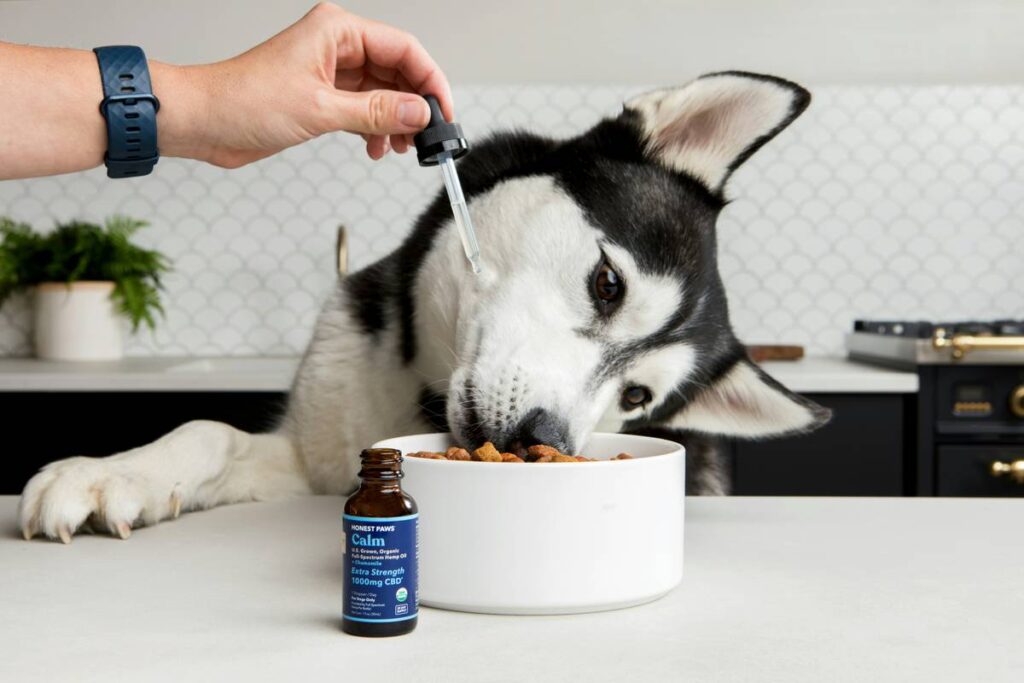
If your pet’s been prescribed iron supplements—or you’ve started giving them on your own—you’re not alone. But what if those little pills are doing more harm than good? Many pet owners overlook the side effects of taking iron supplements until their furry friend shows signs of distress. As someone who once gave my rescue dog an unvetted human-grade iron tablet (yes, really), I learned the hard way that “more” doesn’t mean “better.” In this guide, we’ll unpack the real risks, share vet-backed strategies to minimize complications, and reveal how to spot trouble before it escalates.
Table of Contents
- Why Iron Supplements Matter in Pet Care
- How to Safely Administer Iron Supplements
- Best Practices to Minimize Adverse Reactions
- Real-World Outcomes and Case Insights
- Frequently Asked Questions
Key Takeaways
- The side effects of taking iron supplements can range from mild GI upset to life-threatening toxicity.
- Dosage accuracy is critical—never use human supplements without veterinary guidance.
- Chelated or protein-bound iron forms are generally gentler on pets’ digestive systems.
- Always pair supplementation with regular bloodwork to avoid iron overload.
Why Iron Supplements Matter in Pet Care
Iron is essential for hemoglobin production and oxygen transport—but too much can backfire fast. While iron deficiency anemia is uncommon in healthy pets, it can occur in animals with chronic kidney disease, heavy parasite loads, or severe blood loss. Unfortunately, well-meaning owners sometimes self-prescribe supplements after reading online forums, unaware that excess iron causes oxidative stress, liver damage, and even fatal poisoning in extreme cases.
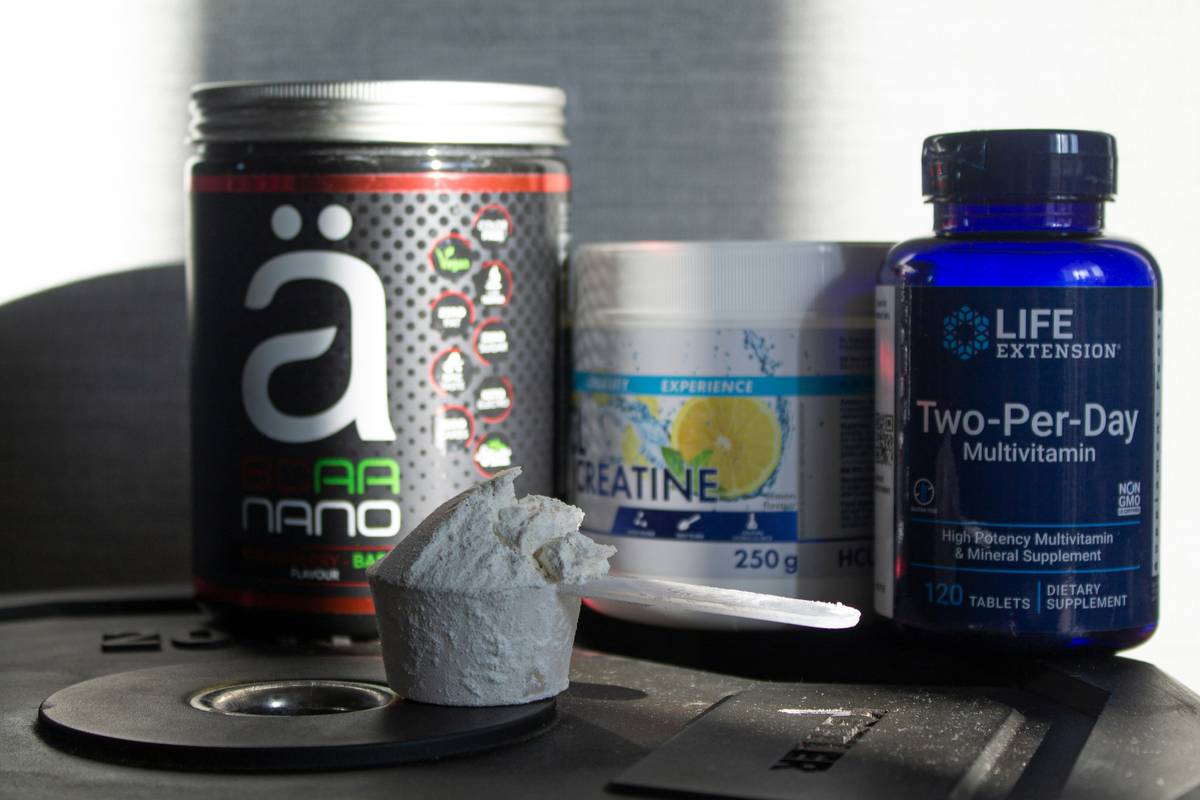
According to the ASPCA Animal Poison Control Center, iron supplements rank among the top 10 toxic ingestions reported annually in pets. One tablespoon of certain human formulations can deliver a lethal dose to a small dog. That’s why understanding the side effects of taking iron supplements isn’t just helpful—it’s potentially lifesaving.
How to Safely Administer Iron Supplements
1. Confirm Diagnosis Before Supplementing
Never assume your pet needs iron. Symptoms like pale gums or fatigue could signal many conditions—from heart disease to hypothyroidism. Demand a complete blood panel first. True iron-deficiency anemia is rare in dogs and cats outside specific clinical contexts.
2. Use Veterinary-Approved Products Only
Human iron tablets often contain xylitol or other additives toxic to pets. Even “pure” ferrous sulfate can overwhelm a pet’s system. Stick to veterinary-formulated products like Pet-Tabs® Iron or prescription liquids calibrated for animal physiology.
3. Monitor Dosing Rigorously
Overdose risks spike when owners double up doses after a missed one. Set phone reminders, use pill organizers, and never exceed the prescribed amount—even if your pet seems “worse.” More iron won’t speed recovery; it may trigger vomiting, diarrhea, or shock within hours.
Best Practices to Minimize Adverse Reactions
- Give with food—but avoid high-calcium meals (like dairy), which inhibit absorption.
- Choose chelated iron (e.g., iron bisglycinate), which causes fewer GI issues than ferrous sulfate.
- Space doses from antibiotics—tetracyclines and fluoroquinolones bind to iron, reducing effectiveness of both.
- Track symptoms daily: Note stool color (black/tarry = possible bleeding), energy levels, and appetite changes.
And here’s a terrible tip I’ve heard too often: “Just crush the pill and mix it in peanut butter!” Nope. Unless your vet confirms the supplement is stable when crushed—and your dog isn’t allergic to peanuts—this can alter dosing accuracy and cause aspiration or allergic reactions. Don’t do it.
Real-World Outcomes and Case Insights
A 2022 study published in the Journal of Veterinary Internal Medicine tracked 47 anemic dogs treated with veterinary iron supplements over 8 weeks. Only 3 developed mild constipation; none experienced severe toxicity. Crucially, all received doses calculated by weight and had baseline serum ferritin tests. Contrast that with emergency clinic data: the Pet Poison Helpline reports that 68% of iron toxicity cases stem from accidental ingestion of human supplements—often left on nightstands or in purses.
In my own experience, my terrier mix Max suffered violent vomiting after I mistakenly gave him a 65mg human tablet (intended for me). We rushed him to the ER, where he received IV fluids and deferoxamine chelation therapy. He recovered, but the vet bill—and my guilt—lasted months. Lesson learned: side effects of taking iron supplements aren’t abstract. They’re urgent, expensive, and preventable.
Frequently Asked Questions
Can iron supplements cause black stools in dogs?
Yes. Iron can turn feces dark green or black—a harmless side effect called melena mimicry. However, true melena (from GI bleeding) also appears black and tarry. If in doubt, consult your vet immediately.
How long do iron supplement side effects last?
Mild GI upset usually resolves within 24–48 hours of stopping the supplement. Severe toxicity requires emergency care and may involve multi-day hospitalization.
Are liquid iron supplements safer for cats?
Not necessarily. Cats are extremely sensitive to iron overload. Any supplementation must be strictly vet-directed—no over-the-counter products.
What’s the lethal dose of iron for a small dog?
Toxicity starts at 20–60 mg/kg of elemental iron. A single 325mg ferrous sulfate tablet contains ~65mg elemental iron—enough to sicken a 10-pound dog. For reference, see the Pet Poison Helpline’s iron toxicity guidelines.
Conclusion
Navigating the side effects of taking iron supplements demands caution, clarity, and collaboration with your veterinarian. Never treat your pet like a miniature human—what’s safe for you could be deadly for them. If you’re unsure about dosage, formulation, or symptoms, contact us or your local vet immediately. For more on our commitment to evidence-based pet wellness, explore our About Us page. And remember: when it comes to supplements, less is often more—especially when “more” means a midnight ER visit. Always review our Privacy Policy before sharing health details online.