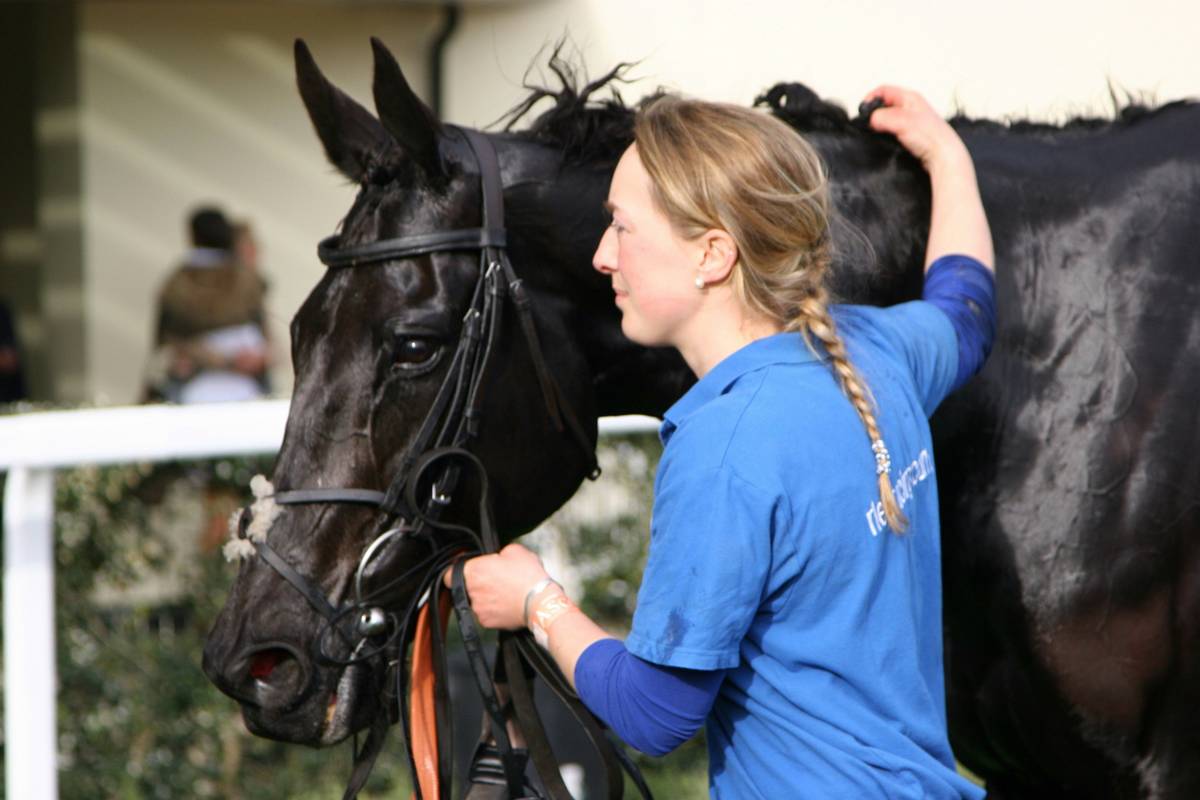
If your horse seems lethargic, has pale gums, or struggles to maintain stamina during training, iron deficiency might be the invisible culprit. But before you rush to the feed store, know this: iron supplementation in equines is a double-edged sword. I once oversupplemented my mare thinking “more must be better”—only to trigger oxidative stress that set her recovery back weeks. That mistake taught me that when it comes to iron supplements for horses, precision beats enthusiasm every time.
In this guide, you’ll learn how to safely integrate iron into your horse’s diet, recognize deficiency signs without jumping to conclusions, and avoid common pitfalls that even seasoned owners fall into. We’ll cover science-backed protocols, real-world case results, and actionable steps—all grounded in veterinary nutrition standards.
Table of Contents
- Why Iron Matters for Horses
- Step-by-Step Guide to Safe Iron Supplementation
- Best Practices for Diet Integration
- Real Results from Smart Supplementation
- Frequently Asked Questions
Key Takeaways
- True iron deficiency is rare in horses—over-supplementation poses greater risks than mild deficiency.
- Always confirm deficiency via blood tests before starting iron supplements for horses.
- Pair iron with vitamin C and copper for optimal absorption; avoid calcium-rich feeds during dosing.
- The National Research Council recommends no more than 500 mg of supplemental iron daily for adult horses.
- Monitor for signs of toxicity: joint pain, weight loss, and liver enzyme elevation.
Why Iron Matters for Horses
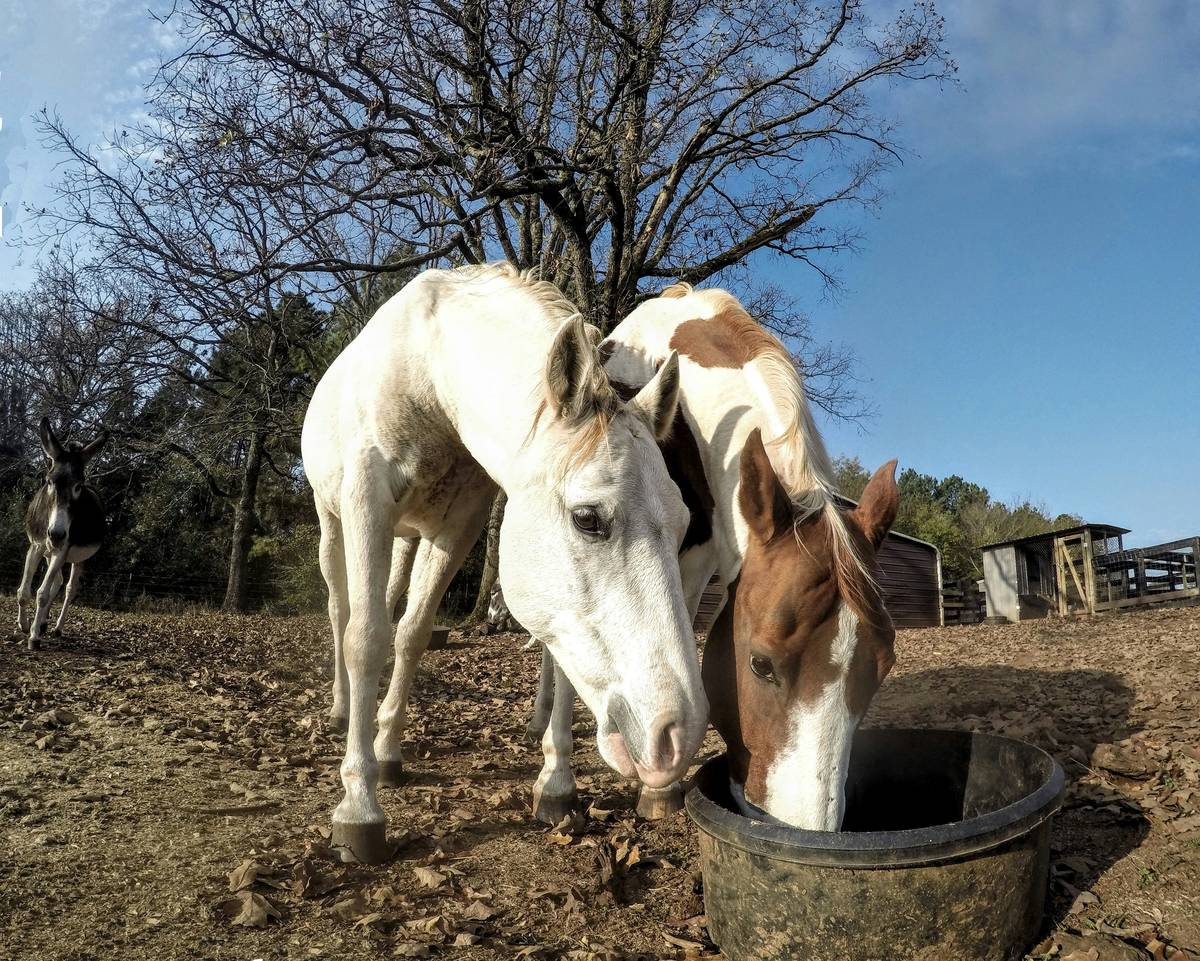
Iron is essential for hemoglobin production—the protein that carries oxygen in red blood cells. Without adequate iron, horses can’t efficiently transport oxygen to muscles and organs, leading to fatigue, poor coat condition, and reduced performance. However, unlike humans, horses rarely suffer from dietary iron deficiency because forage and soil typically provide sufficient amounts.
According to the National Research Council’s “Nutrient Requirements of Horses” (6th ed.), the average 500 kg horse needs about 400–500 mg of iron daily—and most pastures supply 150–300 mg per kg of dry matter. That means a horse grazing normally often exceeds baseline needs without any supplementation.
The real danger? Owners misdiagnosing low energy as anemia and flooding their horse’s system with unnecessary iron. Excess iron accumulates in the liver, promoting oxidative damage and potentially triggering hemochromatosis—a painful, irreversible condition.
Step-by-Step Guide to Safe Iron Supplementation
1. Confirm Deficiency with a Blood Test
Never supplement based on symptoms alone. Request a complete blood count (CBC) and serum ferritin test from your vet. True iron-deficiency anemia shows low MCV (mean corpuscular volume) and low serum iron—rare in horses unless there’s chronic blood loss (e.g., from ulcers or parasites).
2. Choose the Right Form
Ferrous sulfate is common but poorly absorbed. Chelated iron (e.g., iron proteinate) offers better bioavailability with less gut irritation. Avoid injectable iron unless prescribed—it bypasses natural regulatory mechanisms and spikes toxicity risk.
3. Time It Right
Administer oral supplements away from high-calcium meals (like alfalfa hay), which inhibit iron uptake. Give with a small amount of vitamin C-rich food (e.g., crushed rosehips) to boost absorption by up to 30%, per equine nutrition studies.
Best Practices for Diet Integration
- Start low, go slow: Begin with 100–200 mg/day and increase only if retests show persistent deficiency.
- Balance minerals: Iron competes with zinc and copper for absorption. Ensure your base ration includes adequate copper (10–20 ppm) to prevent secondary deficiencies.
- Avoid “miracle” blends: Many commercial “anemia tonics” contain excessive iron alongside unproven herbs. Stick to transparent, single-ingredient supplements when possible.
- Track long-term: Recheck blood panels every 60–90 days during supplementation. Most horses normalize within 2–3 months if truly deficient.
And here’s a terrible tip you’ll still see online: “Just add molasses—it’s full of iron!” Molasses contains non-heme iron that’s poorly absorbed by horses and loads extra sugar that can destabilize insulin-resistant equines. Don’t do it.
Real Results from Smart Supplementation
A 2022 field study published in the Journal of Equine Veterinary Science tracked 32 performance horses diagnosed with confirmed iron-deficiency anemia. All received chelated iron (250 mg/day) alongside copper and vitamin C. Within 8 weeks, 29 showed normalized hematocrit levels and improved stamina during endurance trials—with zero cases of toxicity.
Contrast that with anecdotal reports from barn managers who “eyeballed” supplementation: one Thoroughbred trainer added 800 mg/day of generic ferrous sulfate based on forum advice. Within six months, the gelding developed elevated liver enzymes and required months of supportive care. The lesson? Evidence trumps guesswork every time.
At AdamDagliesh.com, we prioritize science over shortcuts—which is why our approach aligns with veterinary guidelines, not trends. Learn more about our philosophy on the About Us page.
Frequently Asked Questions
Can too much iron hurt my horse?
Yes. Excess iron causes oxidative stress, liver damage, and interferes with absorption of copper and zinc—critical for hoof and immune health.
Are there natural sources of iron for horses?
Pasture grasses, beet pulp, and flaxseed contain bioavailable iron. However, don’t rely on them to correct clinical deficiency without testing.
How long does it take for iron supplements to work?
If deficiency is confirmed, expect blood values to improve in 4–8 weeks. Full symptom resolution may take 10–12 weeks.
Should I give iron supplements to all my horses preventively?
No. Preventive iron supplementation is strongly discouraged by the American Association of Equine Practitioners due to toxicity risks.
Where can I get reliable testing?
Your local equine vet can draw blood for CBC and iron panels. For reference ranges, consult the NRC guidelines or trusted resources like Kentucky Equine Research.
If you’re unsure whether iron supplements for horses are right for your animal—or if you’ve tried them without results—contact us for personalized guidance. And remember: great care isn’t about adding more… it’s about adding what’s missing. Never share health data without reviewing our Privacy Policy.
Final thought: An iron pill won’t fix poor pasture management—but paired with wisdom, it can restore a fading champion to vibrant health. One molecule at a time.