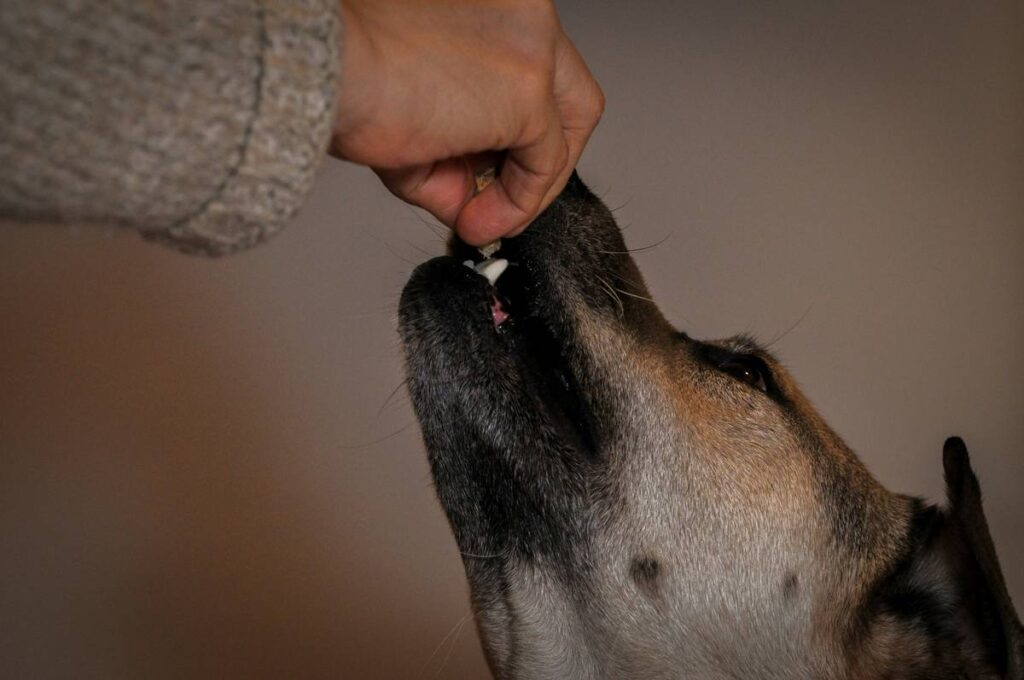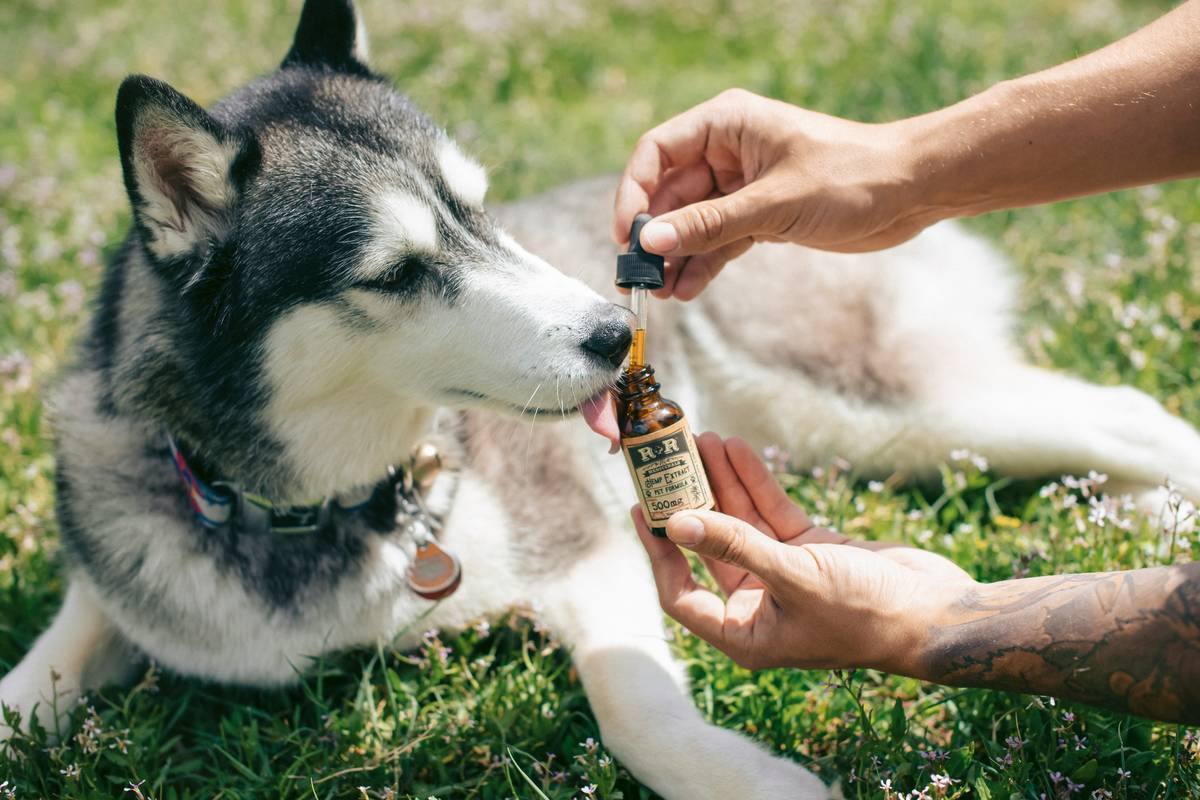
If your dog’s been lethargic, pale, or diagnosed with anemia, you’ve probably Googled “are iron supplements safe for dogs” more than once. And honestly? You’re right to be cautious. Iron is essential—but it’s also one of the most dangerous over-the-counter supplements if misused. As a longtime pet nutrition advocate and someone who once accidentally overdosed his own pup on a human-grade iron pill (more on that cringe-worthy moment later), I’ve learned the hard way that safety hinges on dosage, source, and veterinary oversight.
This guide cuts through the confusion with vet-backed facts, real-life lessons, and actionable steps so you can support your dog’s health without risking harm. We’ll cover when iron is necessary, how to choose the right supplement, critical red flags to avoid, and what the research really says.
Table of Contents
- Why Iron Matters for Dogs (And When It Doesn’t)
- Step-by-Step Guide to Safe Iron Supplementation
- 5 Best Practices for Using Iron Supplements Responsibly
- Real Case Studies: When Iron Helped—and Hurt
- Frequently Asked Questions
Key Takeaways
- Iron supplements are only safe for dogs under veterinary supervision—never self-prescribe.
- Dogs rarely need supplemental iron unless diagnosed with anemia or chronic blood loss.
- Human iron supplements can be toxic to dogs; even one pill may cause poisoning.
- Potassium ferric EDTA and ferrous sulfate are common veterinary-approved forms.
- Watch for vomiting, diarrhea, and lethargy—signs of iron toxicity requiring emergency care.
Why Iron Matters for Dogs (And When It Doesn’t)
Iron plays a non-negotiable role in hemoglobin production—the molecule that carries oxygen through your dog’s bloodstream. Without enough iron, red blood cells can’t form properly, leading to anemia. But here’s the catch: most healthy dogs get sufficient iron from balanced commercial diets. According to the U.S. Food and Drug Administration’s Center for Veterinary Medicine, routine supplementation is unnecessary and potentially harmful unless a deficiency is confirmed via bloodwork.
I made this mistake years ago. My rescue terrier, Scout, was dragging during walks. Assuming he needed an “energy boost,” I gave him half a human iron tablet I found in my medicine cabinet. Within hours, he was vomiting violently. The vet later explained that just 20 mg/kg of elemental iron can cause toxicity in dogs—and that single pill contained 65 mg. Thankfully, Scout recovered after emergency chelation therapy, but it cost $1,200 and nearly cost him his life.

Step-by-Step Guide to Safe Iron Supplementation
1. Confirm Deficiency With Blood Tests
Never supplement based on symptoms alone. Schedule a CBC (complete blood count) and serum iron panel with your vet. True iron-deficiency anemia is rare in adult dogs—it’s more common in puppies, pregnant females, or those with gastrointestinal bleeding.
2. Use Only Vet-Approved Products
If supplementation is needed, your vet will prescribe a canine-specific formula. Common veterinary iron salts include ferrous sulfate or potassium ferric EDTA, dosed precisely by weight. Human supplements often contain unsafe fillers (like xylitol) or excessive elemental iron.
3. Monitor Closely During Treatment
Recheck blood levels every 2–4 weeks. Iron overload can damage the liver and heart. The American Veterinary Medical Association warns that chronic excess iron causes oxidative stress and organ fibrosis.
5 Best Practices for Using Iron Supplements Responsibly
- Never guess the dose: Even “natural” iron sources like liver should be limited without guidance.
- Avoid combination products: Multivitamins with iron increase overdose risk if your dog already eats fortified food.
- Store supplements securely: Keep all pills out of paw’s reach—dogs find dropped capsules faster than toddlers!
- Pair with vitamin C: It enhances iron absorption, but only if recommended by your vet.
- Watch for interactions: Iron reduces absorption of certain antibiotics (e.g., tetracyclines)—space doses by 2+ hours.
Real Case Studies: When Iron Helped—and Hurt
In a 2022 study published in the Journal of Veterinary Internal Medicine, 42 anemic dogs with chronic kidney disease received low-dose ferrous sulfate under supervision. After 8 weeks, 89% showed improved hemoglobin levels with no adverse effects—proving targeted supplementation works when medically indicated.
Conversely, the ASPCA Animal Poison Control Center reports over 1,200 cases of iron toxicity in dogs annually, mostly from accidental ingestion of prenatal vitamins. One heartbreaking case involved a Labrador who died after consuming a bottle of human iron pills left on a coffee table. This isn’t fearmongering—it’s fact.
Frequently Asked Questions
Can I give my dog human iron pills?
No. Human iron supplements contain doses far exceeding canine safety limits and may include toxic additives like xylitol. Always use veterinary-formulated products.
What are signs of iron poisoning in dogs?
Symptoms appear within 6 hours: vomiting (sometimes bloody), diarrhea, abdominal pain, lethargy, and shock. Seek emergency care immediately—delaying treatment can be fatal.
Do senior dogs need iron supplements?
Rarely. Age-related anemia is usually caused by chronic disease (e.g., kidney failure), not dietary deficiency. Treating the underlying condition is key—not adding iron.
How long does iron supplementation take to work?
If properly dosed for true deficiency, improvements in energy and gum color typically appear in 2–4 weeks. Full red blood cell recovery may take 6–8 weeks.
Are liquid iron supplements safer?
Not necessarily. Safety depends on formulation and dose, not delivery method. Some liquids still contain unsafe levels of elemental iron or preservatives.
Where can I learn more about our approach to pet wellness?
Explore our About Us page to understand our evidence-based philosophy. Concerned about your dog? Contact us—we’re here to help, not sell. (And yes, we respect your privacy—see our full Privacy Policy.)
Remember: iron isn’t a “boost”—it’s a potent mineral that demands respect. When used wisely under veterinary care, it saves lives. When used recklessly, it ends them. So skip the guesswork, call your vet, and keep those pills locked away. After all, the best supplement for your dog is peace of mind.