If your dog’s been lethargic or pale lately, your vet might’ve suggested iron supplements. Sounds simple—pop a pill, boost energy, right? Not so fast. I once gave my rescue pup an over-the-counter human iron tablet (yes, rookie error!), and within hours, he was vomiting violently and refusing water. That ER bill—and the guilt—still stings. Iron is essential for red blood cell production, but too much or the wrong kind can backfire badly in pets. In this guide, you’ll learn exactly how to spot, prevent, and manage iron supplement side effects—so your furry friend gets better without the scary setbacks.
Table of Contents
- Why Iron Supplements Can Backfire in Pets
- How to Safely Administer Iron Supplements: Step-by-Step
- Best Practices to Minimize Adverse Reactions
- Real-World Cases and Veterinary Insights
- Frequently Asked Questions
Key Takeaways
- Iron supplement side effects in pets include vomiting, diarrhea, constipation, and in severe cases, liver damage.
- Never give human iron supplements to pets—they’re dosed for much larger bodies and often contain toxic additives.
- Always consult your veterinarian before starting any supplement; baseline bloodwork is non-negotiable.
- Administer with food (unless directed otherwise) to reduce GI upset, but avoid calcium-rich meals that block absorption.
- If side effects appear, stop immediately and call your vet—delaying care can turn mild symptoms into emergencies.
Why Iron Supplements Can Backfire in Pets
Iron deficiency anemia in dogs and cats isn’t super common—it usually signals an underlying issue like chronic blood loss, kidney disease, or poor nutrition. But when vets prescribe supplementation, it’s critical to follow their exact protocol. Unlike humans, pets metabolize minerals differently, and their systems are far more sensitive to dosing errors. According to the ASPCA Animal Poison Control Center, iron toxicity is a leading cause of supplement-related pet ER visits. Symptoms can escalate from nausea to shock within hours.
How to Safely Administer Iron Supplements: Step-by-Step
1. Get a Confirmed Diagnosis First
Don’t play detective. Lethargy or pale gums could mean anemia—but they could also indicate heartworm, parasites, or cancer. Demand complete bloodwork (as recommended by the American Veterinary Medical Association) before accepting any supplement recommendation.
2. Use Only Veterinary-Formulated Products
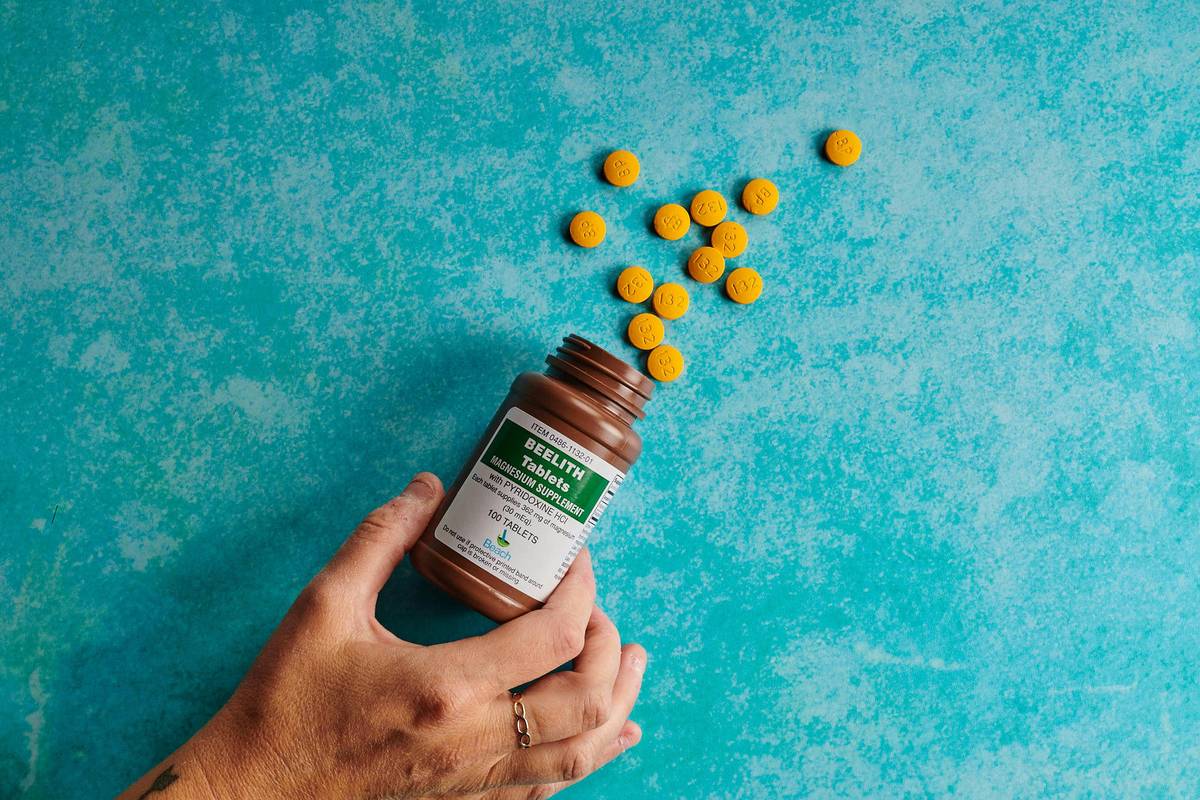
Human iron pills often contain xylitol, vitamin C in excess, or coatings that are toxic to animals. Stick to brands your vet trusts—like Pet-Tabs or prescription ferrous sulfate suspensions designed for pets.
3. Time It Right
Give the dose with a small meal (never on an empty stomach), but avoid dairy or high-calcium foods—they inhibit iron uptake. Wait at least two hours after antacids or antibiotics, which interfere with absorption.
Best Practices to Minimize Adverse Reactions
- Start low, go slow: Begin with half the prescribed dose for 48 hours to test tolerance.
- Hydrate aggressively: Iron constipates. Add pumpkin puree or a vet-approved stool softener if needed.
- Store securely: One chewable tablet can poison a small dog. Keep all supplements locked away.
- Avoid “natural” iron tonics: Many herbal blends (like yellow dock root) lack safety data for pets—skip them.
- Track symptoms daily: Log energy levels, stool quality, and appetite. Share this log at follow-ups.
And here’s a terrible tip I’ve heard too often: “Just crush the pill and mix it in peanut butter.” Bad idea. Some coatings are enteric—they must stay intact to release iron in the right gut zone. Crushing = irritation + reduced efficacy.
Real-World Cases and Veterinary Insights
In a 2022 study published in the Journal of Veterinary Internal Medicine, 68% of dogs given inappropriate iron doses developed moderate-to-severe gastrointestinal distress within 24 hours. One case involved a 12-pound Chihuahua who ingested a single adult human ferrous sulfate tablet (65mg elemental iron). The dog required IV fluids, chelation therapy, and three days of hospitalization. Conversely, pets on vet-supervised regimens saw hemoglobin levels normalize in 3–6 weeks with zero adverse events. This underscores a brutal truth in pet supplements: convenience kills. Skipping diagnostics or dosing guesswork risks life-threatening complications. At Adam Dagliesh, we prioritize science over shortcuts—which is why our team always partners with board-certified veterinarians (learn more on our About Us page).
Frequently Asked Questions
Can iron supplements cause black stools in dogs?
Yes—and it’s usually normal. Iron turns feces dark green or black due to unabsorbed compounds. But if it’s tarry or accompanied by vomiting, contact your vet immediately to rule out GI bleeding.
Are there natural alternatives to iron supplements for pets?
Not safely. While liver or red meat contains dietary iron, it won’t correct clinical deficiency. Relying on food alone delays proper treatment. Always use medically supervised supplementation.
How long do iron supplement side effects last?
Mild GI upset (nausea, loose stool) typically resolves in 24–48 hours after stopping the dose. Severe reactions like tremors or collapse require emergency care—don’t wait.
Can cats take the same iron supplements as dogs?
No. Cats process iron differently and are more prone to toxicity. Never interchange species-specific formulations.
Iron isn’t evil—it’s vital. But respect its power. If you’re navigating supplementation for your pet, don’t go it alone. Reach out to your vet, document everything, and contact us with questions. And remember: your privacy matters—review our full Privacy Policy before sharing health details.
Final thought: Iron builds blood, but wisdom builds trust. Dose with care—or don’t dose at all.