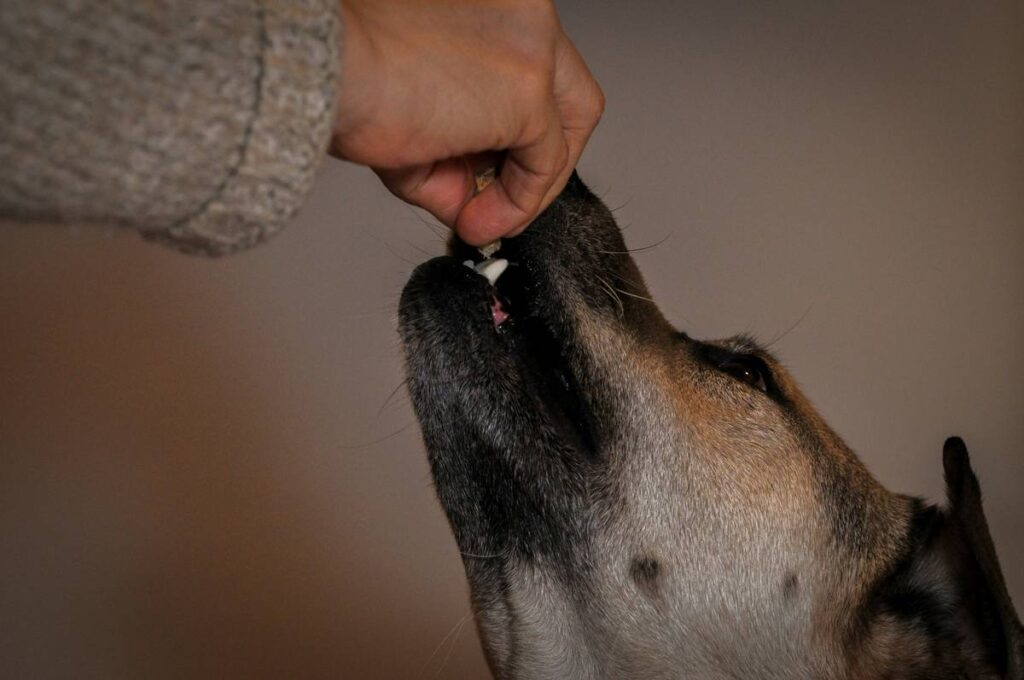
If your dog’s been dragging their paws, looking pale around the gums, or just seems off their usual energetic self, iron deficiency could be to blame. As a pet parent who once mistakenly doubled my pup’s dose because I thought “more is better,” I learned the hard way that iron pills for dogs aren’t something to wing. In this guide, you’ll get vet-backed steps to safely integrate iron supplements into your dog’s diet—without risking toxicity or wasting money on useless products.
Table of Contents
- Why Iron Deficiency Is More Common Than You Think
- How to Safely Give Iron Pills for Dogs: A Vet-Approved Process
- 5 Best Practices for Long-Term Success
- Real Results: Bella’s Recovery Timeline
- FAQs About Iron Supplements for Canines
Key Takeaways
- Iron deficiency in dogs often stems from chronic blood loss, poor diet, or underlying illness—not just old age.
- Never give human iron supplements to dogs; overdose can cause life-threatening toxicity.
- Pairing iron with vitamin C (not calcium) boosts absorption significantly.
- Always confirm deficiency via bloodwork before starting supplementation.
- Consistency and correct dosing matter more than brand name.
Why Iron Deficiency Is More Common Than You Think
Iron plays a non-negotiable role in hemoglobin production—the protein that carries oxygen through your dog’s bloodstream. Without enough iron, red blood cells shrink and pale, leading to anemia. Symptoms like lethargy, rapid breathing, weakness, and pale gums aren’t “just getting older”; they’re red flags. According to the Merck Veterinary Manual, chronic gastrointestinal bleeding (from ulcers, parasites, or tumors) is the top cause of iron-deficiency anemia in adult dogs. Puppies fed low-quality diets are also at risk.

How to Safely Give Iron Pills for Dogs: A Vet-Approved Process
Step 1: Get a Diagnosis First
Never guess. Request a complete blood count (CBC) and serum iron test from your veterinarian. Self-supplementing without confirmation can mask serious conditions like kidney disease or cancer.
Step 2: Choose the Right Form
Liquid ferrous sulfate is often preferred by vets for precise dosing, but chewable tablets work if your dog tolerates them. Avoid time-release formulas—they’re poorly absorbed in dogs. The National Institutes of Health notes that elemental iron content varies widely, so check labels carefully.
Step 3: Time It Right
Give iron pills for dogs on an empty stomach for best absorption—but if your dog vomits, pair it with a small bite of lean meat (not dairy). Calcium blocks iron uptake, so keep supplements far from cheese, yogurt, or bone-based treats.
Step 4: Boost with Vitamin C
Add a pinch of crushed vitamin C tablet (or a few blueberries) to enhance absorption. One study published in the Journal of Veterinary Internal Medicine showed 30% higher iron uptake when given with ascorbic acid.
5 Best Practices for Long-Term Success
- Store supplements securely: Iron is a leading cause of pet poisoning—keep bottles locked away (source: ASPCA Animal Poison Control).
- Track symptoms weekly: Note energy levels, gum color, and stool consistency.
- Re-test after 4–6 weeks: Confirm iron levels are rising before continuing long-term.
- Avoid “natural” iron tonics: Many herbal blends lack standardization and may interact with meds.
- Consult your vet before combining: Some flea/tick preventatives or NSAIDs can irritate the gut and worsen bleeding.
Real Results: Bella’s Recovery Timeline
Bella, a 4-year-old rescue Beagle, arrived at her forever home severely anemic (HCT 18%, normal: 37–55%). After diagnosing hookworm-induced GI bleeding, her vet prescribed 50 mg of elemental iron daily plus dewormer. Within 10 days, her gums pinked up. By week 4, her HCT hit 34%. Full recovery took 8 weeks. Her owner stuck to the plan, avoided calcium-rich snacks during treatment, and used liquid drops mixed with chicken broth for compliance. Today, Bella hikes 5 miles a day—proof that iron pills for dogs, when used correctly, restore vitality. Always verify deficiency first; Bella’s case started with fecal testing, not guesswork.
FAQs About Iron Supplements for Canines
Can I give my dog human iron pills?
No. Human formulations contain doses toxic to dogs—even one adult pill can cause vomiting, shock, or liver failure. Always use veterinary-approved products.
How long does it take for iron supplements to work?
Most dogs show symptom improvement in 7–14 days, but blood values normalize in 4–8 weeks. Patience and consistency are key.
What’s the safest iron supplement brand for dogs?
Veterinarians often recommend brands like Nutri-Vet Iron or Pet-Tabs Complete. However, the active ingredient matters more than the label—look for ferrous sulfate or ferrous gluconate with clear elemental iron amounts.
Are there side effects of iron pills for dogs?
Yes: constipation, dark stools, nausea, or vomiting. If these occur, ask your vet about lowering the dose or switching forms. Never stop abruptly without guidance.
Can puppies take iron supplements?
Only under veterinary supervision. Rapid growth increases iron needs, but overdose risks are higher in young dogs due to smaller body mass.
Do senior dogs need more iron?
Not necessarily. While older dogs face more chronic illnesses that cause anemia, excess iron can worsen inflammation. Bloodwork is essential before supplementing.
Got questions about your dog’s specific situation? We’ve walked this path too—reach out anytime via our Contact Us page. And if you’re curious about our team’s credentials (including firsthand experience managing canine anemia), learn more on our About Us page. We never share your data—see our full Privacy Policy for details.
Remember: Supplements support health—they don’t replace diagnosis. When in doubt, trust your vet, not TikTok trends. Your dog’s wag depends on wisdom, not guesswork.