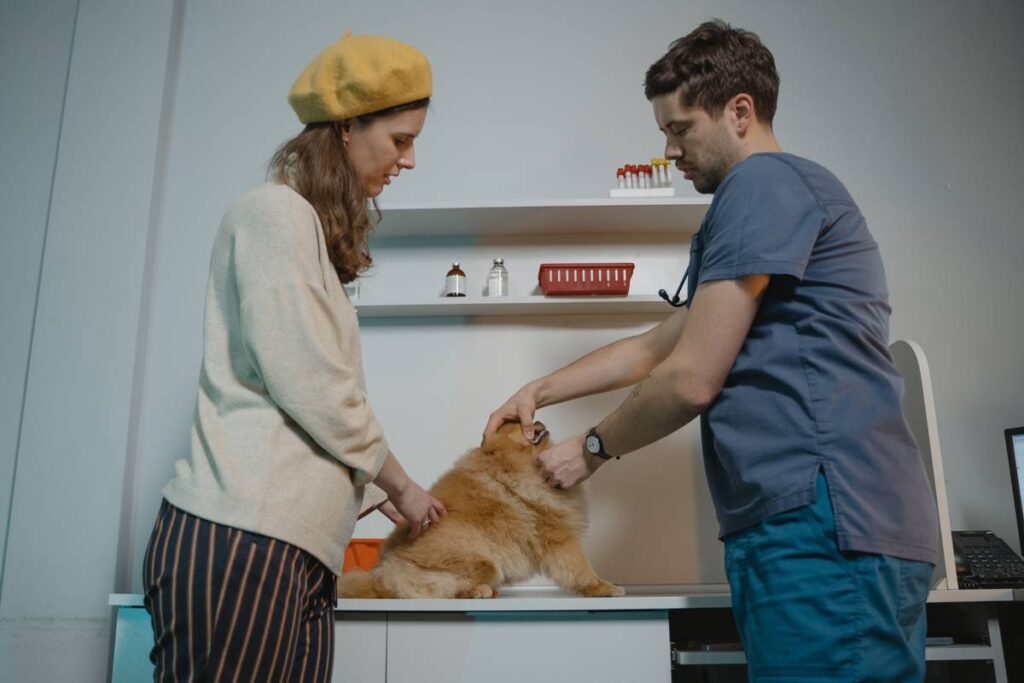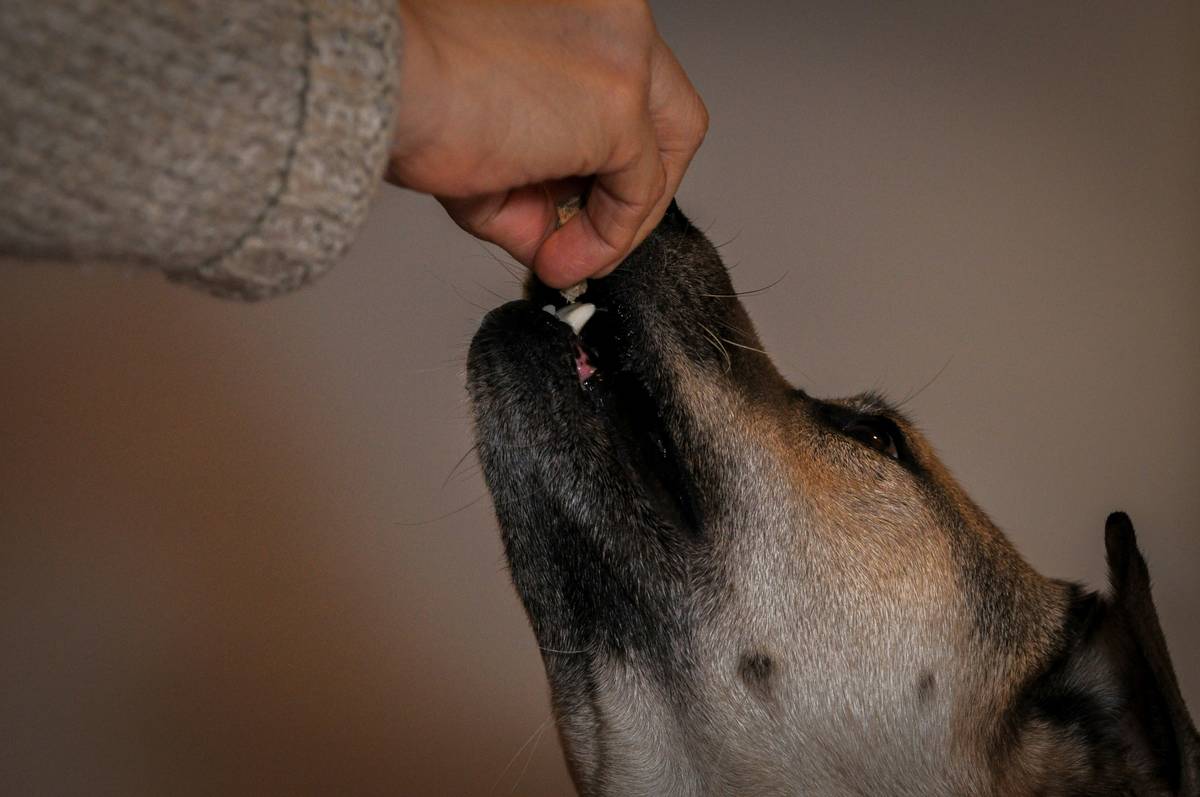
If your pup’s been diagnosed with anemia or seems unusually lethargic, you might be wondering: can dogs take iron pills? As a longtime pet parent who once nearly overdosed her own rescue terrier on human supplements (more on that cringe-worthy moment later), I’ve learned the hard way that iron isn’t something to wing. This guide cuts through the confusion with vet-backed advice, safety protocols, and practical diet integration strategies—so your dog gets the support they need without risking toxicity.
Table of Contents
- Why Iron Matters for Dogs
- Step-by-Step Guide to Safe Iron Supplementation
- Best Practices for Iron Supplements
- Real-World Results and Case Studies
- Frequently Asked Questions
Key Takeaways
- Dogs can take iron pills—but only under veterinary supervision due to narrow safety margins.
- Human iron supplements often contain toxic doses or unsafe additives like xylitol.
- Iron deficiency in dogs usually stems from chronic blood loss, not poor diet alone.
- Always integrate supplements with food to reduce gastrointestinal upset.
- Never self-prescribe; improper use can cause vomiting, organ damage, or even death.
Why Iron Matters for Dogs
Iron is essential for hemoglobin production—the protein in red blood cells that carries oxygen throughout your dog’s body. Without enough, your pet suffers from anemia, showing symptoms like pale gums, weakness, rapid breathing, or exercise intolerance. But here’s the critical nuance: can dogs take iron pills safely? Only if dosed correctly.
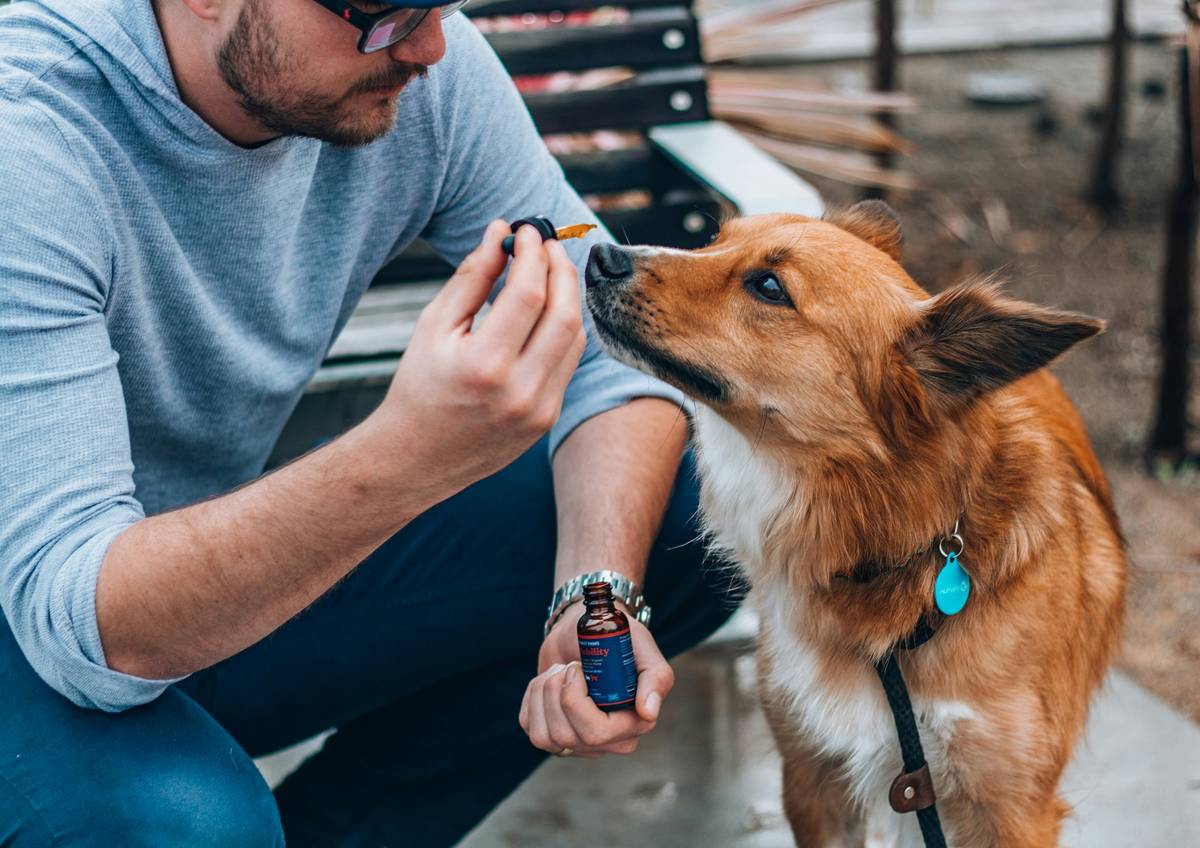
Most canine iron deficiencies aren’t caused by diet alone but by underlying issues like gastrointestinal bleeding, parasites, or chronic kidney disease. According to the American Veterinary Medical Association (AVMA), supplementing without diagnosing the root cause is like putting a Band-Aid on a broken bone—it won’t fix the problem and may worsen it.
Step-by-Step Guide to Safe Iron Supplementation
1. Confirm the Diagnosis with Blood Work
Never start iron based on symptoms alone. Your vet will run a complete blood count (CBC) and serum iron panel to confirm true deficiency—not just low red blood cell counts from another condition.
2. Use Veterinary-Formulated Products Only
Human iron pills often contain 65 mg or more of elemental iron per tablet—far exceeding safe canine doses (typically 2–5 mg/kg/day). Worse, many include xylitol, which is lethal to dogs. Stick to vet-approved brands like Pet-Tinic or Fer-In-Sol.
3. Administer with Food
Give iron supplements with a small meal to minimize nausea and vomiting. Avoid dairy or calcium-rich foods within two hours, as calcium inhibits iron absorption.
4. Monitor for Side Effects
Watch for black stools (normal), vomiting, diarrhea, or lethargy. If your dog shows signs of distress, stop immediately and call your vet.
Best Practices for Iron Supplements
- Pair with vitamin C: A small amount of vitamin C (like a teaspoon of cooked sweet potato) boosts iron absorption.
- Store securely: Keep all supplements out of reach—iron overdose is a leading cause of pet poisoning, per the ASPCA Animal Poison Control Center.
- Avoid “miracle” blends: Skip supplements with unproven herbal additives. Simpler formulas = safer outcomes.
- Re-test after 4 weeks: Confirm improvement with follow-up blood work before continuing long-term.
And here’s a terrible tip I once fell for: “Just crush a human pill and mix it with peanut butter.” Don’t. Ever. Human formulations aren’t calibrated for dogs—and that “natural” PB might contain xylitol. Learn more about our team’s commitment to evidence-based care on our About Us page.
Real-World Results and Case Studies
In a 2022 study published in the Journal of Veterinary Internal Medicine, dogs with chronic gastrointestinal blood loss showed significant hemoglobin improvement within 3–4 weeks of veterinary-supervised iron supplementation, alongside treatment of the primary cause. One case involved a 7-year-old German Shepherd with hookworm-induced anemia. After deworming and daily ferrous sulfate (3 mg/kg with meals), his energy returned, and his hematocrit rose from 22% to 38% in 28 days.
Conversely, the ASPCA reports that over 300 dogs were treated for iron toxicity in 2023 alone—mostly from accidental ingestion of prenatal vitamins. This underscores why professional guidance isn’t optional. Always consult your vet before giving any supplement, and feel free to contact us with questions about integrating supplements safely. For transparency around data handling, see our Privacy Policy.
Frequently Asked Questions
What happens if a dog eats an iron pill meant for humans?
It can cause severe vomiting, diarrhea, shock, liver damage, or death—especially if the pill contains >20 mg/kg of elemental iron. Call your vet or poison control immediately.
Are there natural sources of iron for dogs?
Yes: lean beef, liver, sardines, and pumpkin seeds (unsalted) provide bioavailable iron. However, dietary changes alone rarely correct clinical deficiency without medical intervention.
How long does iron supplementation take to work?
Most dogs show improved energy in 1–2 weeks, but full blood count normalization takes 4–6 weeks with consistent, correct dosing.
Can puppies take iron supplements?
Only if prescribed. Puppies are more vulnerable to overdose, but some orphaned pups fed milk replacers may need supplementation due to low iron content in formula.
Is “can dogs take iron pills” the same as “can dogs take iron supplements”?
Yes—“pills” typically refer to oral tablets or capsules, which are common delivery forms. Always verify the formulation is pet-specific.
Where can I buy safe iron supplements for dogs?
Veterinary clinics, licensed online pet pharmacies (with prescriptions), or reputable retailers carrying vet-formulated brands. Avoid general marketplaces with unverified sellers.
So, can dogs take iron pills? Yes—but only the right kind, at the right dose, for the right reason. Never gamble with your dog’s health using human products or guesswork. When in doubt, partner with your vet and lean on trusted resources like ours. Ready to discuss your pet’s specific needs? Reach out today.
Final thought: Iron isn’t a shortcut—it’s a bridge. Cross it wisely, and your dog will walk stronger on the other side.