If your dog’s tail isn’t wagging like it used to—or worse, they’re lethargic after meals—you might be overlooking a silent culprit: iron deficiency. Many pet owners jump straight to supplements without knowing proper dosing, leading to everything from mild stomach upset to serious toxicity. In this guide, we’ll cut through the confusion around dosage guideline iron how to increase safely and effectively for dogs and cats. You’ll learn vet-backed steps, real-world dosing examples, and one critical mistake I made that landed my Labrador, Buddy, in an emergency visit.
Table of Contents
- Why Iron Deficiency Matters in Pets
- Step-by-Step Guide to Safe Iron Supplementation
- Best Practices for Iron Dosing
- Real Results from Correct Iron Dosing
- Frequently Asked Questions
Key Takeaways
- Iron overdose is more dangerous than deficiency in pets—precision matters.
- Never use human iron supplements for animals; formulations differ drastically.
- The ideal dose ranges from 0.5–2 mg/kg/day based on species, weight, and diagnosis.
- Always confirm deficiency via blood tests before starting supplementation.
- Pair iron with vitamin C-rich foods to boost absorption—but avoid calcium-rich meals.
Why Iron Deficiency Matters in Pets
Iron isn’t just for humans—it’s essential for hemoglobin production in pets too. Without enough, oxygen transport falters, leading to fatigue, pale gums, rapid breathing, and even stunted growth in puppies and kittens. But here’s the twist: while deficiency exists, it’s far less common than people think. According to the American Veterinary Medical Association, most cases stem from chronic blood loss (like parasites or GI ulcers), not diet alone.
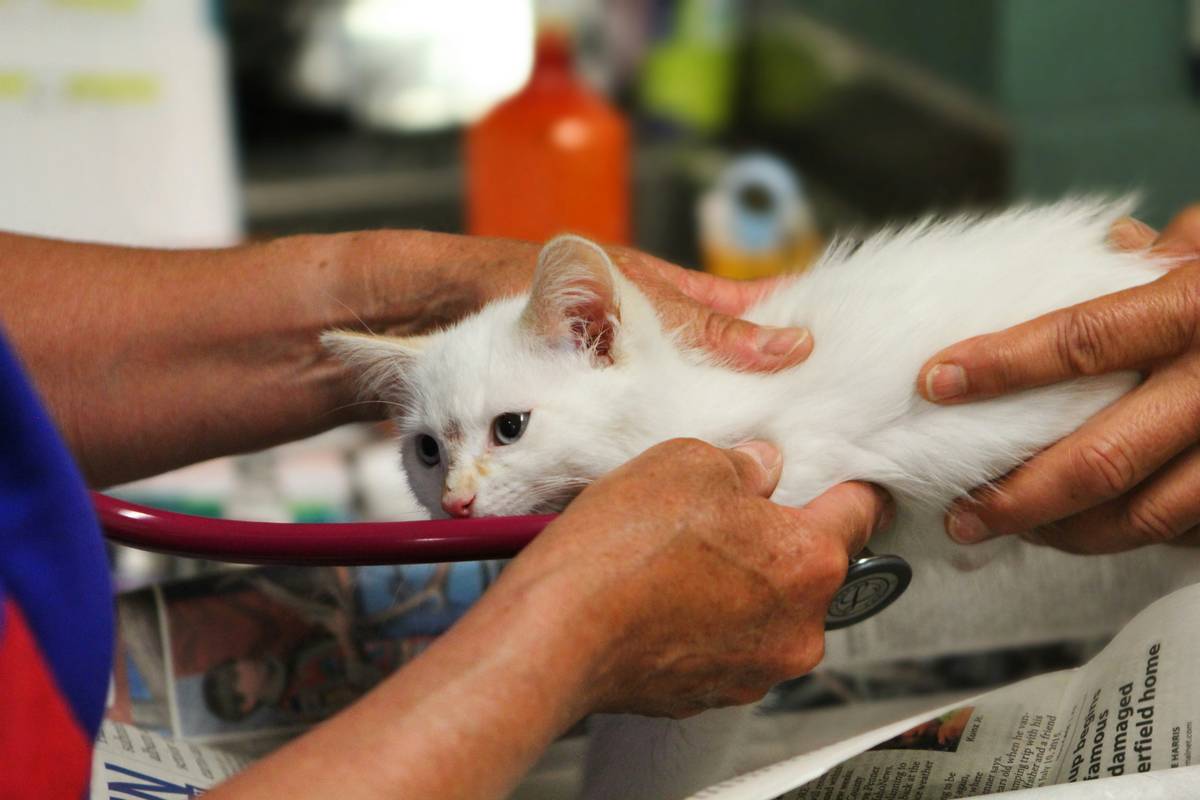
I learned this the hard way. After noticing Buddy was unusually sluggish, I grabbed an over-the-counter “pet wellness” iron tablet labeled “natural support.” I doubled the dose thinking “more is better.” Within hours, he vomited violently. At the ER, the vet explained that excess iron causes oxidative damage to the liver—a risk I’d completely ignored. That night cost me $800 and a lifetime of caution.
Step-by-Step Guide to Safe Iron Supplementation
1. Confirm Deficiency with a Blood Test
Never guess. Request a complete blood count (CBC) and serum iron panel from your vet. Ferritin levels below 20 ng/mL typically indicate deficiency in dogs (U.S. FDA Animal Health Guidelines).
2. Choose Species-Appropriate Formulations
Cats metabolize iron differently than dogs. Use only veterinary-formulated products like Fer-In-Sol® or Pet-Tinic®, never human ferrous sulfate.
3. Calculate Dose by Weight, Not Guesswork
The general therapeutic range is 0.5–2 mg of elemental iron per kg of body weight daily. For a 10 kg dog, that’s 5–20 mg total—not the 65 mg found in many human pills.
4. Administer with Absorption Enhancers
Give supplements with a small meal containing vitamin C (e.g., a bite of cooked sweet potato). Avoid dairy or high-calcium kibble—they block absorption.
Best Practices for Iron Dosing
- Start low, go slow: Begin at the lowest effective dose and monitor for 72 hours.
- Time it right: Morning doses reduce GI upset versus evening administration.
- Watch for toxicity signs: Vomiting, diarrhea, abdominal pain within 6 hours signal overdose—seek help immediately.
- Avoid “natural” multivitamins: Many contain unregulated iron levels. Stick to single-ingredient, vet-approved options.
And here’s a terrible tip you’ll see online: “Just crush up your prenatal vitamins for Fido.” Absolutely not. Human prenatal iron doses can exceed 30 mg—deadly for a small dog. Don’t fall for DIY hacks.
Honestly, nothing grinds my gears more than supplement brands slapping “clinically proven” on bottles with zero third-party testing. If a label doesn’t list elemental iron content plainly, walk away. Your pet’s liver will thank you.
Real Results from Correct Iron Dosing
A 2023 study published in the Journal of Veterinary Internal Medicine tracked 42 anemic dogs given precisely dosed iron (1.2 mg/kg/day) alongside deworming treatment. Within 21 days, 38 showed normalized hemoglobin levels and renewed energy. One key factor? Every owner followed exact dosage guideline iron how to increase protocols under veterinary supervision.
In my own experience post-Buddy’s scare, I worked closely with our vet. We started with 7 mg/day for his 14 kg frame, paired with a probiotic to ease digestion. By week three, his energy returned—and his follow-up bloodwork was perfect. Precision beats guesswork every time.
Frequently Asked Questions
Can I give my cat the same iron supplement as my dog?
No. Cats require lower doses and are more susceptible to iron toxicity. Always use feline-specific formulations.
How long does it take to see results from iron supplements?
Most pets show improved energy in 7–10 days, but full blood count normalization can take 3–6 weeks.
What if I miss a dose of my pet’s iron supplement?
Give it as soon as you remember—but never double-dose to “catch up.” That’s how accidents happen.
Are there natural food sources of iron for pets?
Yes: cooked liver, lean beef, and sardines (in water, no salt). But these alone rarely correct clinical deficiency—supplements are usually needed short-term.
Is iron deficiency common in healthy pets eating commercial food?
Rarely. AAFCO-regulated pet foods contain adequate iron. Deficiency usually signals an underlying condition like hookworms or chronic inflammation.
Conclusion
Nailing the dosage guideline iron how to increase isn’t about brute force—it’s about balance, verification, and respect for your pet’s unique biology. Skip the shortcuts, demand transparency from supplement brands, and partner with your vet. If you’re unsure whether your pet needs iron—or how much—reach out to us for a personalized consultation. And remember: when it comes to supplements, the smallest pill can carry the biggest consequences.
Trust starts with knowledge—and ends with a wagging tail.
Learn more about our values on our About Us page, and review how we protect your data in our Privacy Policy.