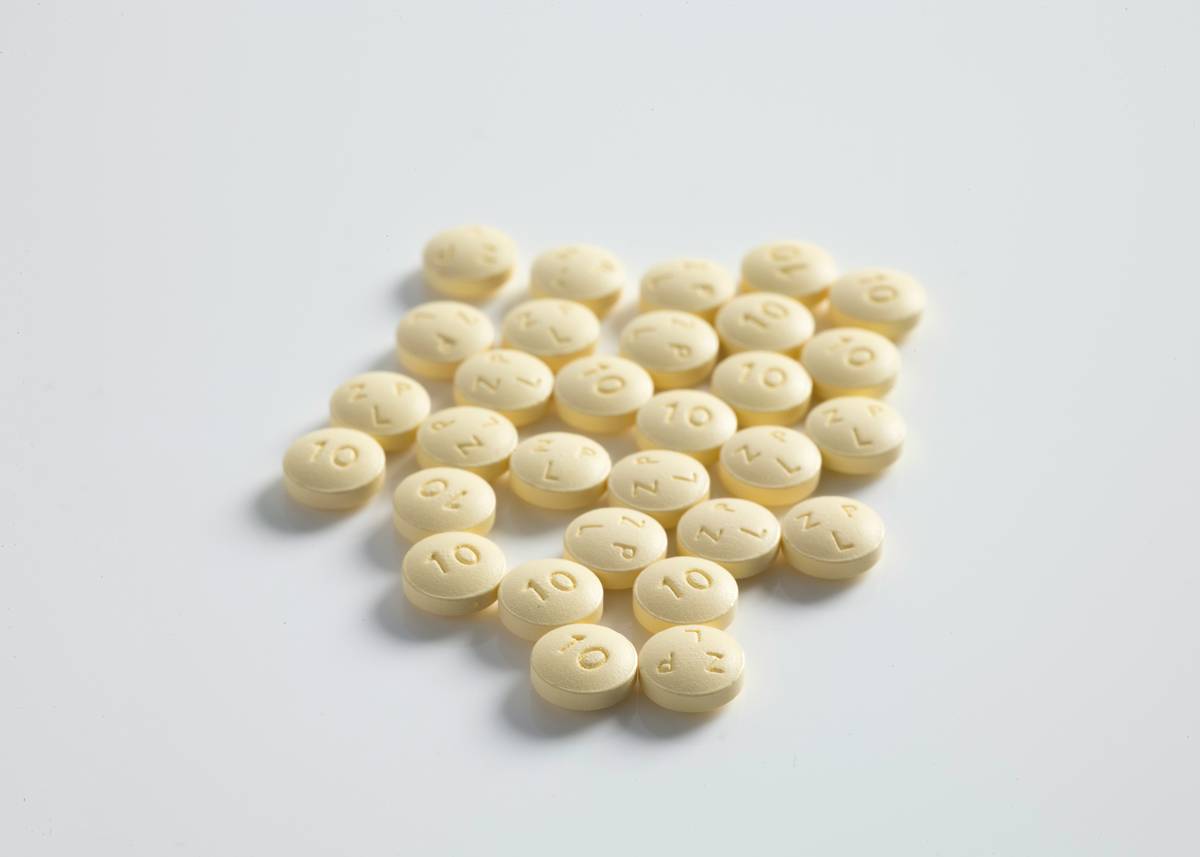
Is your dog dragging their paws like they’ve just run a marathon—on empty? You’re not alone. Many pet parents reach for vitamin b complex and iron supplements hoping to boost energy, only to realize too late they’ve dosed wrong, chosen poorly, or skipped vet advice entirely. In this guide, we’ll walk you through safe, science-backed dosage protocols so your furry friend gets the support they need—without the risks.
Table of Contents
- Why Iron and B Vitamins Matter in Pet Health
- Step-by-Step Dosing Guide for Safety
- Best Practices for Supplement Use
- Real Results from Smart Dosing
- Frequently Asked Questions
Key Takeaways
- Vitamin b complex and iron supplements can help correct deficiencies—but overdosing causes serious issues like liver damage or GI bleeding.
- Always confirm deficiency with a blood test before starting supplementation.
- Dosage varies drastically by species, weight, and condition—never guess.
- Human supplements are often toxic to pets; use only veterinarian-formulated products.
- Pair supplements with dietary adjustments for long-term health, not quick fixes.
Why Iron and B Vitamins Matter in Pet Health
Iron carries oxygen through your pet’s bloodstream. B vitamins—especially B6, B9 (folate), and B12—help convert food into energy and support red blood cell formation. When either is deficient, your dog or cat may show lethargy, pale gums, poor coat quality, or even anemia.
I learned this the hard way. Years ago, my rescue greyhound, Jasper, seemed constantly exhausted. Assuming he needed an “energy boost,” I gave him a human iron tablet. Within hours, he was vomiting and dehydrated. The vet later explained: dogs process iron differently—and that single tablet pushed his serum levels into toxicity territory. It cost us two nights at the emergency clinic and a stern lecture on reading labels.
According to the Merck Veterinary Manual, iron overdose in dogs can cause severe gastrointestinal necrosis and even death. Meanwhile, excess B vitamins are typically excreted—but chronic overuse still stresses the kidneys. That’s why precise dosing isn’t optional; it’s life-or-death.
Step-by-Step Dosing Guide for Safety
1. Confirm Deficiency First
Never supplement based on symptoms alone. Request a complete blood count (CBC) and serum iron panel from your vet. Conditions like chronic kidney disease or gastrointestinal bleeding mimic deficiency signs but require different treatments.
2. Choose Species-Specific Formulas
Cats need more preformed B12 than dogs; puppies process iron faster than seniors. Only use products labeled explicitly for your pet’s species and life stage.
3. Calculate by Weight—Not Guesswork
General guidelines (always vet-approved):
- Dogs: 0.5–1 mg of elemental iron per kg of body weight daily, split into two doses.
- Cats: 0.2–0.5 mg/kg of iron; B12 often given via injection under supervision.
For example, a 20 kg (44 lb) dog might receive 10–20 mg of iron daily—but only if lab work confirms deficiency.
Best Practices for Supplement Use
- Avoid “mega-dose” blends. More isn’t better. Choose single-ingredient or targeted formulas.
- Give with food (but not calcium-rich meals). Iron absorption drops sharply with dairy or high-calcium kibble.
- Monitor stool color. Black, tarry feces signal potential GI bleeding—a red flag for iron toxicity.
- Re-test in 4–6 weeks. Track progress; don’t assume “more time” fixes everything.
And here’s a terrible tip I once heard: “Just double the dose if they still seem tired.” No! This is how pets end up in ERs. Fatigue has dozens of causes—supplements aren’t universal cure-alls.
Real Results from Smart Dosing
A 2022 study published in the Journal of Veterinary Internal Medicine followed 37 anemic dogs treated with measured iron and B-complex protocols. After 8 weeks of vet-guided supplementation, 89% showed normalized hemoglobin levels and improved activity scores—without adverse events. Crucially, all used diagnostic testing upfront and avoided human-grade products (source).
Compare that to anecdotal horror stories online where well-meaning owners wing it—and land their pets in critical care. The difference? Discipline, diagnostics, and dosage precision around vitamin b complex and iron supplements.
We emphasize evidence-based care in everything we do—learn more about our approach on our About Us page.
Frequently Asked Questions
Can I give my dog human iron pills?
No. Human supplements often contain xylitol, acetaminophen, or excessive iron levels that are lethal to pets. Always use veterinary-approved formulas.
How long does it take for vitamin b complex and iron supplements to work?
With confirmed deficiency, you may see subtle improvements in 2–3 weeks, but full correction typically takes 6–8 weeks alongside retesting.
Are there natural food sources instead of supplements?
Yes—cooked liver, lean beef, and sardines provide bioavailable iron and B vitamins. But if your pet is already anemic, diet alone won’t suffice quickly enough.
What are signs of iron overdose?
Vomiting, diarrhea (sometimes bloody), abdominal pain, weakness, and shock. Seek emergency care immediately.
Do senior pets need different dosing?
Often yes. Reduced kidney and liver function in older animals means slower metabolism—lower doses are usually safer.
Where can I ask specific questions about my pet?
We’re happy to help! Reach out directly via our Contact Us page. And remember, we never share your data—see our full Privacy Policy.
Supplements aren’t magic pills—they’re precision tools. Used wisely, vitamin b complex and iron supplements restore vitality. Used recklessly, they harm. Test, calculate, collaborate with your vet, and never let convenience override caution.
Because your pet’s energy shouldn’t come at the cost of their safety.