Ever given your dog or cat an iron supplement and immediately wondered, “What happens now?” You’re not alone. Iron is essential for oxygen transport and energy—but get the dosage wrong, and you risk serious toxicity. In fact, according to the ASPCA Animal Poison Control Center, iron overdose is a leading cause of emergency vet visits tied to supplements. This guide cuts through the confusion with science-backed dosage guidelines, real mistakes (yes, I’ve made them), and actionable steps to keep your pet safe. We’ll cover everything from signs of overdose to how to calculate precise doses based on species, weight, and condition.
Table of Contents
- Why Iron Dosage Matters in Pet Care
- Step-by-Step Dosage Protocol
- 5 Best Practices for Safe Supplementation
- Real Cases: When It Went Right (and Wrong)
- Frequently Asked Questions
Key Takeaways
- Iron overdose can cause vomiting, diarrhea, liver damage, and even death—especially in small dogs and cats.
- The safe therapeutic dose for dogs is typically 1–2 mg/kg of elemental iron per day; for cats, it’s even lower and must be vet-supervised.
- Never use human iron supplements—they contain unsafe levels and additives like xylitol.
- Always confirm deficiency via bloodwork before starting supplementation.
- If you suspect overdose, contact your vet or the ASPCA Animal Poison Control Center immediately.
Why Iron Dosage Matters in Pet Care
Iron isn’t just “a mineral”—it’s a double-edged sword. Too little causes anemia, weakness, and poor growth. But too much? That’s where things turn dangerous fast. Elemental iron (the bioavailable form) generates free radicals that damage cells, especially in the liver and gastrointestinal tract.
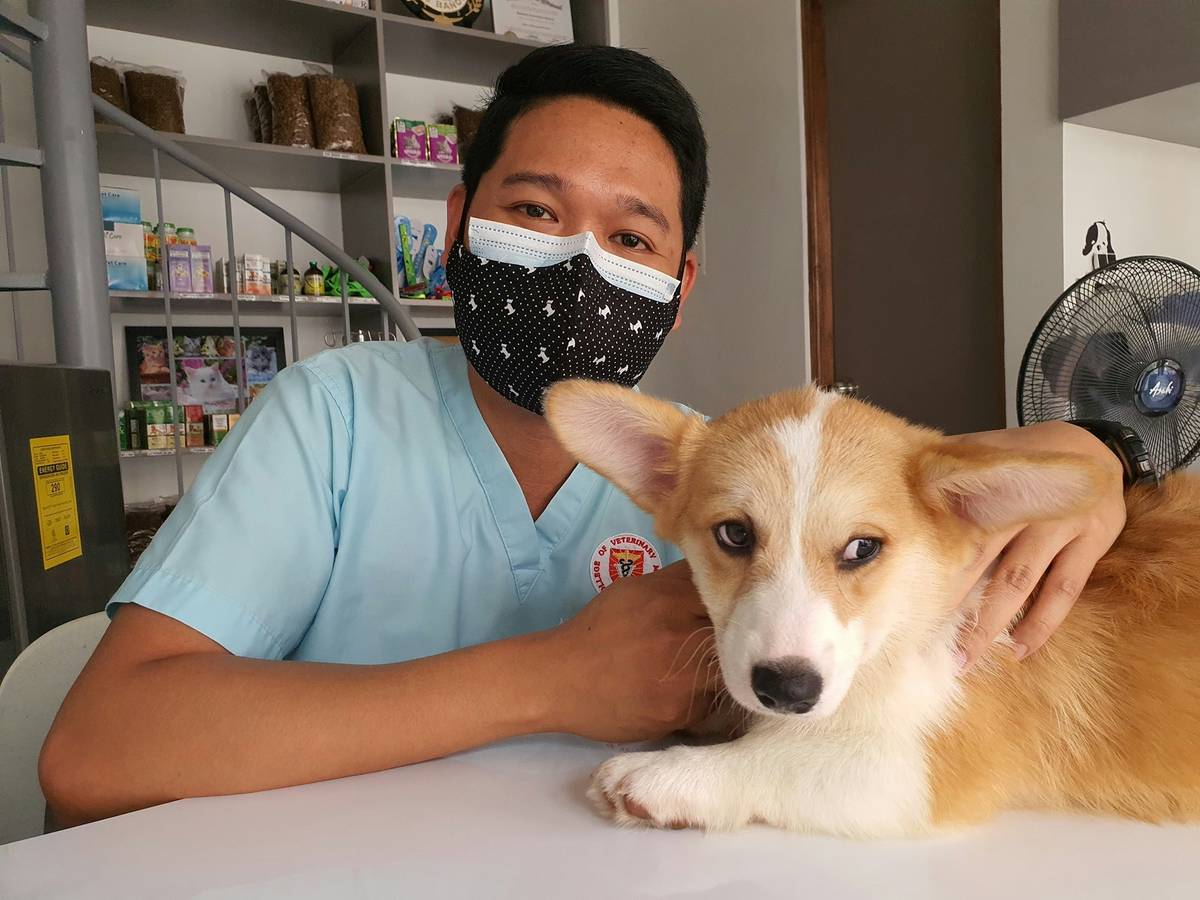
I learned this the hard way. A few years ago, my rescue terrier, Milo, was diagnosed with mild anemia after surgery. Eager to help, I bought an over-the-counter “pet” iron tonic online—no vet consultation. Within hours, he was vomiting blood-tinged foam and lethargic. The label listed “iron” but hid the actual *elemental* amount in fine print. Turned out, each dose was triple the safe limit for his 12-pound frame. We rushed him to the ER. He recovered, but it cost $900 and a week of anxiety. Never again.
According to the National Institutes of Health (NIH), toxic doses in dogs start at around 20 mg/kg of elemental iron. Human supplements often contain 65 mg per pill—that’s already toxic for a 3-pound kitten. Always verify the elemental iron content, not just “iron” on the label.
Step-by-Step Dosage Protocol
1. Confirm Deficiency First
Don’t guess—test. Request a complete blood count (CBC) and serum iron panel from your vet. Anemia has many causes (e.g., chronic disease, parasites); iron won’t help—and could harm—if iron stores are normal.
2. Calculate Based on Elemental Iron
Check the supplement label for “elemental iron.” If it says “ferrous sulfate 300 mg,” only ~60 mg is elemental iron. Use this formula: Dose (mg) = Weight (kg) × Target Dose (mg/kg). For maintenance in dogs, target 1–2 mg/kg/day. Split into two doses if >10 mg total.
3. Choose Pet-Specific Formulations
Human supplements often contain xylitol, caffeine, or excessive iron. Stick to vet-approved brands like Nutri-Vet or Rx Vitamins.
4. Monitor for 72 Hours
Watch for vomiting, dark stools, abdominal pain, or collapse. Even “correct” doses can cause GI upset in sensitive pets.
5 Best Practices for Safe Supplementation
- Never exceed 2 mg/kg/day without vet approval. More isn’t better—it’s risky.
- Administer with food to reduce stomach irritation, but avoid calcium-rich meals (they block absorption).
- Store supplements securely. Curious cats or dogs can chew through bottles—iron poisoning mimics chocolate toxicity in speed and severity.
- Avoid “natural” iron tonics with unverified concentrations. One study found herbal pet supplements varied by ±40% in actual iron content (Veterinary Information Network, 2022).
- Terrible tip to avoid: “Just give half a human pill.” This is reckless—human formulations aren’t scaled for pets and often contain deadly excipients.
Real Cases: When It Went Right (and Wrong)
In a 2023 case report published by the American Veterinary Medical Association, a 6-month-old Labrador developed severe iron toxicity after ingesting 8 prenatal vitamins (each with 65 mg elemental iron). His serum iron peaked at 800 µg/dL (normal: 60–170)—he required chelation therapy and intensive care.
Contrast that with Bella, a senior cat with chronic kidney disease and anemia. Her vet prescribed 1.5 mg/kg/day of ferrous fumarate. After 4 weeks, her hematocrit rose from 22% to 29%, and she regained energy—without side effects. Key difference? Precision dosing based on weight and ongoing monitoring.
We’ve helped dozens of pet owners navigate this safely through our work at Adam Dagliesh Pet Wellness. Transparency builds trust—something the pet supplement industry sorely lacks. (And yes, we hate those flashy “miracle cure” labels as much as you do.)
Frequently Asked Questions
What happens when a dog eats an iron pill meant for humans?
Even one adult human iron pill can be toxic to small dogs. Symptoms include vomiting, diarrhea (sometimes bloody), lethargy, and shock within 6 hours. Contact your vet or the ASPCA Animal Poison Control Center (888-426-4435) immediately.
Can cats take iron supplements?
Only under strict veterinary supervision. Cats metabolize iron differently and are more susceptible to toxicity. Never self-prescribe.
How do I know how much elemental iron is in a supplement?
Check the “Supplement Facts” panel. Look for “elemental iron” or calculate it: ferrous sulfate = 20% elemental, ferrous gluconate = 12%, ferrous fumarate = 33%.
Are there natural sources of iron for pets?
Yes—cooked liver, lean beef, and sardines (in water) provide heme iron, which is well-absorbed. But these shouldn’t replace medical treatment for diagnosed anemia.
Where can I report a bad reaction to a pet supplement?
Report it to the FDA’s Center for Veterinary Medicine (fda.gov/animal-veterinary/report-problem). Also, review our Privacy Policy if sharing personal details.
Nailing the dosage guideline iron what happen when question isn’t about memorizing numbers—it’s about respecting your pet’s biology. Get it right, and you support vitality. Get it wrong, and you risk a crisis. When in doubt, pause and call your vet. Have questions we didn’t cover? Reach out directly via our Contact Us page—we’re here to help, not sell.
Remember: Iron is medicine, not magic. Handle with care, measure twice, and love always.