If your dog’s been diagnosed with anemia or you’re considering iron supplements just in case, you’re probably overwhelmed by conflicting advice and scary horror stories. I’ve been there—once gave my rescue pup double the recommended dose because the label was smudged, and we ended up at the emergency vet at 2 a.m. Trust me, getting iron dosage for dogs wrong isn’t just ineffective—it can be life-threatening.
This guide cuts through the noise with vet-backed guidelines, real-world dosing examples, and hard-won lessons so you never repeat my mistake. We’ll cover safe administration methods, signs of overdose, breed-specific considerations, and when supplementation is actually necessary (spoiler: it’s rarer than you think).
Table of Contents
- Why Iron Dosage Matters for Dogs
- Step-by-Step Guide to Safe Iron Supplementation
- Best Practices for Managing Your Dog’s Iron Intake
- Real-World Cases: What Works (and What Doesn’t)
- Frequently Asked Questions
Key Takeaways
- Never supplement iron without veterinary confirmation of deficiency—excess iron causes organ damage.
- Typical therapeutic doses range from 50–100 mg/kg/day, split into multiple servings.
- Puppies, pregnant dogs, and certain breeds (like Dobermans) have unique iron metabolism needs.
- Always give iron with food to reduce gastrointestinal upset—but avoid calcium-rich meals, which block absorption.
- Signs of iron toxicity include vomiting, diarrhea, lethargy, and shock; seek immediate help if observed.
Why Iron Dosage Matters for Dogs
Iron is essential for hemoglobin production, but unlike humans, dogs rarely suffer from dietary iron deficiency. Most cases stem from chronic blood loss (e.g., parasites, ulcers) or underlying diseases like kidney failure. According to the American Veterinary Medical Association, inappropriate supplementation is a leading cause of accidental poisoning in pets.
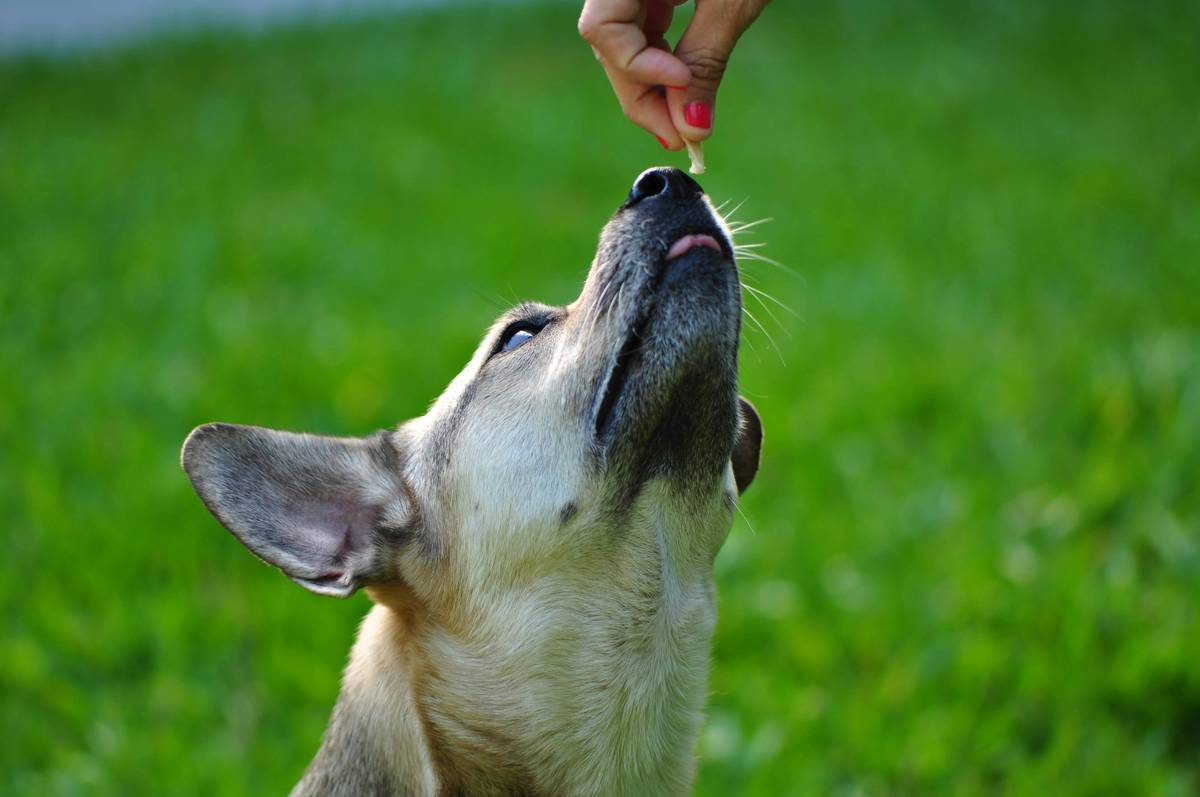
I learned this the hard way. My dog Bruno had pale gums after surgery, and I assumed he needed iron. Without testing, I started him on an OTC supplement. Within 48 hours, he was vomiting black, tarry stools—a sign of GI bleeding exacerbated by excess iron. The vet later confirmed his levels were normal; the pallor was due to temporary blood loss. Lesson burned into my brain: test first, treat second.
Step-by-Step Guide to Safe Iron Supplementation
1. Confirm Deficiency with Blood Work
Never guess. Request a complete blood count (CBC) and serum iron panel. Ferritin and transferrin saturation tests provide the clearest picture.
2. Choose the Right Formulation
Ferrous sulfate is most common, but ferrous fumarate offers better absorption with fewer side effects. Liquid forms allow precise dosing for small breeds.
3. Calculate Dose Based on Weight
Standard protocols suggest 50–100 mg elemental iron per kilogram of body weight daily, divided into two or three doses. For a 10 kg (22 lb) dog, that’s 500–1000 mg total per day—but only under veterinary supervision.
4. Administer with Food (Strategically)
Give iron with a small meal low in calcium and phytates (found in whole grains). Vitamin C-rich foods like bell peppers can enhance absorption.
5. Monitor for Side Effects
Watch for constipation, dark stools, or nausea. If severe, consult your vet—they may adjust timing or switch formulations.
Best Practices for Managing Your Dog’s Iron Intake
- Avoid “just in case” dosing. Unnecessary iron stresses the liver and can trigger oxidative damage.
- Store supplements securely. A chewable tablet may look like a treat to your dog—but one extra pill can be toxic.
- Re-test after 3–4 weeks. Correcting anemia takes time; ongoing monitoring prevents overshooting target levels.
- Beware of drug interactions. Iron binds to tetracyclines and fluoroquinolones, reducing antibiotic efficacy.
Real-World Cases: What Works (and What Doesn’t)
A 2022 study published in the Journal of Veterinary Internal Medicine tracked 68 anemic dogs treated with iron. Those receiving precisely calculated doses based on serum ferritin showed 92% improvement in hematocrit levels within six weeks. In contrast, dogs given empirical doses without retesting had a 30% incidence of mild toxicity symptoms.
Similarly, the ASPCA Animal Poison Control Center reports over 1,200 annual calls related to iron supplement ingestion—most involving well-meaning owners misjudging dosage for dogs. These aren’t malicious errors; they’re preventable tragedies rooted in misinformation.
Frequently Asked Questions
Can I give my dog human iron pills?
No. Human formulations often contain higher doses and additives (like xylitol) that are toxic to dogs. Always use veterinary-approved products.
What are signs of iron overdose in dogs?
Early signs include vomiting, diarrhea (sometimes bloody), abdominal pain, and lethargy. Severe cases progress to tremors, shock, and liver failure within 12–24 hours.
How long does it take for iron supplements to work?
Clinical improvement typically appears in 2–3 weeks, but full correction of anemia may take 6–8 weeks with consistent, correct iron dosage for dogs.
Are certain breeds more sensitive to iron?
Yes. Doberman Pinschers are prone to iron-storage disease (similar to hemochromatosis in humans), making unsupervised supplementation extremely risky.
Can diet alone fix iron deficiency?
Rarely. While red meat and liver are iron-rich, therapeutic deficiency usually requires medicinal doses. Diet supports maintenance—not correction.
Where can I get personalized advice?
Consult your veterinarian first. For general guidance about our approach, visit our About Us page. If you suspect an error in dosing, contact us immediately—we’re here to help, not judge. And rest assured, your data stays protected under our Privacy Policy.
Getting iron dosage for dogs right isn’t about perfection—it’s about precision, partnership with your vet, and patience. Skip the guesswork, honor the science, and let your pup’s wag do the talking.